Ceramic Coating vs. PPF: Which Offers Better Hydrophobic Properties in Ceramic Coating Brighton, CO?
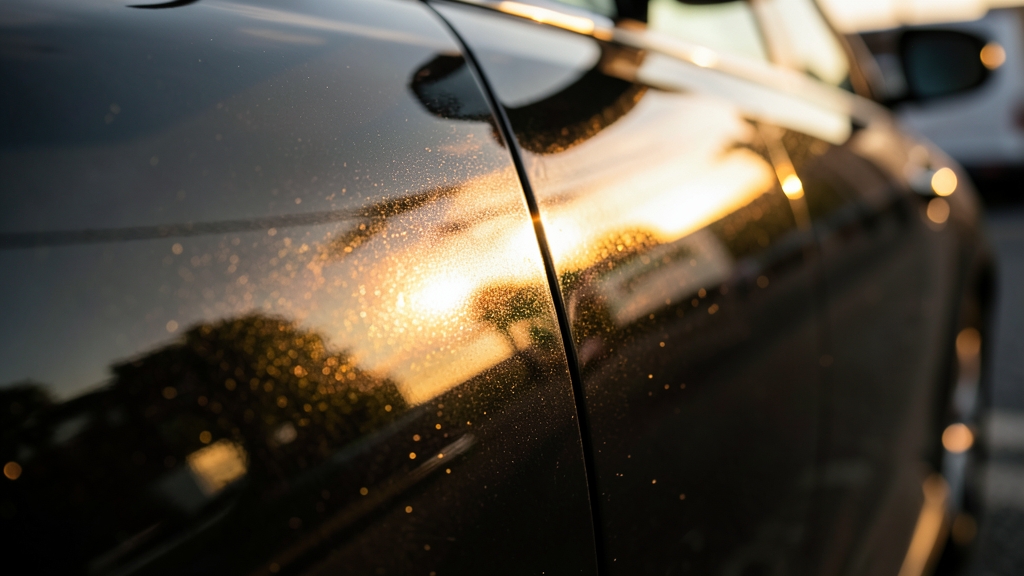
Brighton’s high-altitude sun and winter road salt demand serious paint protection. We compare ceramic coatings and PPF head-to-head on hydrophobic performance—how each repels water, resists stains, and keeps your finish looking sharp between Commerce City and Fort Lupton drives.
Why Hydrophobic Properties Matter in Brighton’s Climate
Brighton’s intense UV and dramatic temperature swings accelerate paint oxidation. A strong hydrophobic surface prevents water spots and mineral deposits from etching into clear coat, especially after winter road salt exposure.
Hydrophobicity also reduces dirt adhesion, making washes faster and less abrasive. For daily drivers in Thornton or Henderson, this means fewer swirl marks from frequent cleaning.
How Ceramic Coatings Create Hydrophobic Surfaces
Ceramic coatings bond molecularly with paint, forming a glass-like SiO2 layer. This ultra-smooth surface causes water to bead tightly and roll off, carrying contaminants with it—what pros call the ‘lotus effect.’
Quality coatings (9H hardness) maintain beading for 2–5 years. The effect weakens gradually as the sacrificial layer erodes, but reapplication restores it fully.
Always start with paint correction. Imperfections trapped under a ceramic coating will be permanently amplified by its high-gloss finish.
PPF’s Hydrophobic Behavior: Different Mechanism, Same Goal
Paint Protection Film uses a hydrophobic top coat over a flexible urethane layer. Water beads on PPF, but the effect is tied to the film’s surface energy—not a chemical bond with paint.
High-end PPF like XPEL Ultimate or 3M Pro Series includes self-healing properties. Minor scratches disappear with heat, while the hydrophobic layer resists water spots for 5–10 years.
Side-by-Side: Hydrophobic Performance Comparison
Both technologies excel at water repellency, but their strengths differ. Ceramic coatings offer superior gloss and self-cleaning, while PPF provides better physical protection against rock chips common on I-25 stretches near Lochbuie.
| Feature | Ceramic Coating | Paint Protection Film (PPF) |
|---|---|---|
| Water Beading | Tight, high-contact-angle beads | Slightly flatter beads (varies by brand) |
| Self-Cleaning Effect | Excellent (dirt sheds easily) | Good (depends on top-coat quality) |
| Durability of Hydrophobicity | 2–5 years (reapply to refresh) | 5–10 years (top coat may degrade first) |
| UV Resistance | Yes (prevents fading) | Yes (blocks 99% UV) |
| Scratch Resistance | Moderate (9H hardness) | High (urethane absorbs impacts) |
| Maintenance | Low (wash with pH-neutral soap) | Low (avoid harsh chemicals on edges) |
Brighton-Specific Considerations: Salt, Sun, and Seasons
Winter road salt in Brighton accelerates hydrophobic layer degradation. Ceramic coatings need more frequent reapplication if not maintained with proper washes and annual top-ups.
PPF’s urethane layer shields against salt and gravel, but its hydrophobic top coat can stain if not cleaned promptly. For fleet vehicles in Fort Lupton, PPF often wins for longevity under harsh conditions.
Brushes and harsh detergents strip hydrophobic layers faster. Hand-washing with a foam cannon preserves both ceramic coatings and PPF.
Complementary Services to Enhance Hydrophobicity
Pair either protection with ceramic window tint to reduce interior heat and UV damage. Hydrophobic glass coatings (like those on windshields) improve visibility during Brighton’s sudden summer downpours.
Wheel and brake caliper ceramic coatings prevent brake dust from bonding, while interior ceramic protection repels spills and stains—ideal for families or commercial vehicles in Henderson.
Maintenance: Keeping Hydrophobic Properties at Peak Performance
Use pH-neutral car shampoos and microfiber towels. Avoid wax or sealants over ceramic coatings—they can interfere with the bonding layer.
For PPF, clean edges with isopropyl alcohol to prevent lifting. Annual inspections catch early signs of hydrophobic degradation.
Hydrophobic Care Essentials
- Wash every 2 weeks with a foam cannon
- Dry with a blower to prevent water spots
- Apply ceramic boost spray every 6 months
- Avoid parking under trees (sap etches hydrophobic layers)
How to Test Your Vehicle’s Hydrophobic Performance
A simple water test reveals if your protection is still effective.
- 1Gather Supplies
Use a spray bottle with distilled water and a clean microfiber towel. Distilled water avoids mineral interference.
- 2Clean the Surface
Wash and dry a small section of the hood or roof. Any contaminants will skew results.
- 3Spray Water
Mist a fine layer of water onto the surface. Observe beading and sheeting behavior.
- 4Check Bead Shape
Tight, round beads indicate strong hydrophobicity. Flat or spreading water means it’s time for reapplication.
- 5Test Sheet Off
Tilt the panel slightly. Water should sheet off completely on well-maintained ceramic or PPF.
Frequently Asked Questions
Does ceramic coating or PPF last longer in Brighton’s climate?
PPF generally lasts longer (5–10 years) due to its physical barrier, but its hydrophobic top coat may need refreshing. Ceramic coatings last 2–5 years but require more frequent maintenance to sustain hydrophobicity in Brighton’s harsh conditions.
Can I apply ceramic coating over PPF?
Yes, but it’s not always necessary. High-quality PPF already includes a hydrophobic top coat. Adding ceramic coating can enhance gloss and self-cleaning, but it adds cost and may reduce PPF’s self-healing ability.
How does Brighton’s altitude affect hydrophobic coatings?
Thinner air and intense UV at higher altitudes accelerate oxidation. Both ceramic coatings and PPF degrade faster here, so more frequent inspections and maintenance are key to preserving hydrophobic properties.
Which is better for hydrophobic performance on a daily driver in Thornton?
Ceramic coating is often the better choice for daily drivers due to its self-cleaning properties and ease of maintenance. PPF is ideal if you prioritize scratch and chip protection over pure hydrophobicity.
Will hydrophobic coatings prevent water spots in Brighton?
They significantly reduce water spots by encouraging water to bead and roll off. However, mineral-heavy water (common in Brighton) can still leave deposits if not rinsed promptly.
What’s a way to restore hydrophobic properties on my current coating?
For ceramic coatings, use a ceramic boost spray or reapply a fresh layer. For PPF, a professional detailer can apply a new hydrophobic top coat. Always start with a thorough decontamination wash.