How to Test the Quality of Your Ceramic Coating in Ceramic Coating Brighton
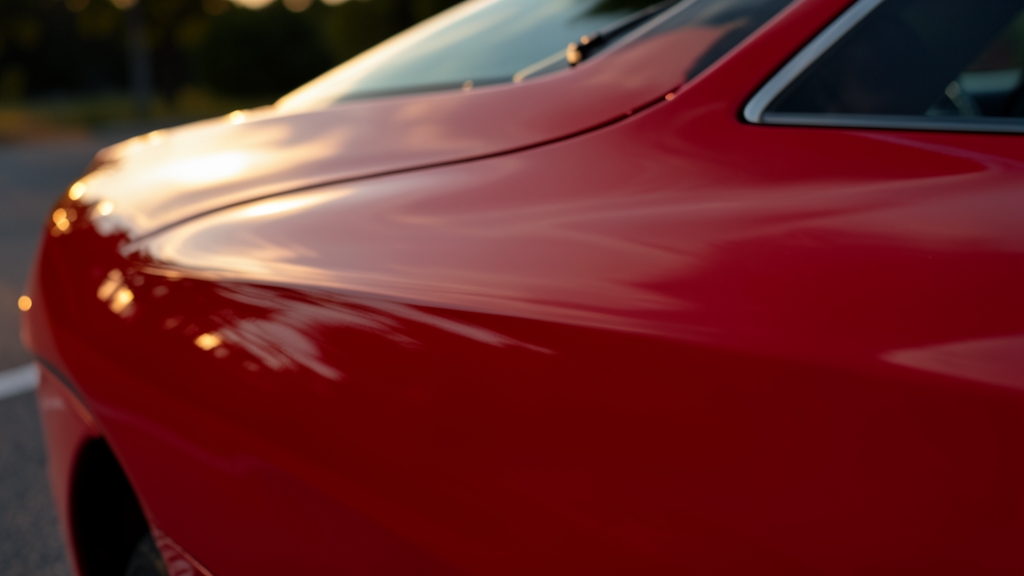
A ceramic coating is only as good as its application and formulation. Even in Brighton’s high-altitude sun and gritty road conditions, not all coatings perform the same. We’ll show you how to verify yours is up to the task—because a true professional-grade coating should repel, protect, and shine for years.
Why Testing Your Ceramic Coating Matters in Brighton’s Climate
Brighton’s intense UV exposure and seasonal temperature swings can degrade subpar coatings fast. A quality nano-ceramic layer should resist fading, oxidation, and etching from bird droppings or road salt used in Commerce City and Thornton winters.
Poorly applied or low-SiO2 coatings may look fine at first but fail under real-world stress. Testing early ensures you’re protected before the next hailstorm or dusty drive through Henderson’s backroads.
The Water Spot Test: Hydrophobicity Check
Sprinkle water on a clean, dry panel. A high-quality ceramic coating will bead tightly and slide off at even a slight angle. If water sheets or leaves residue, the hydrophobic layer is weak or worn.
For best results, use distilled water—Brighton’s hard water can leave mineral spots that mask poor beading. This test works on full-vehicle coatings, wheel coatings, and even ceramic window tint.
Test multiple panels. Variations in beading can reveal inconsistent application, common after DIY attempts or rushed paint correction.
Gloss and Clarity: Visual Inspection Under Direct Light
A proper ceramic coating enhances depth and mirror-like reflection. Inspect the vehicle under sunlight or a high-lumen LED. Swirls, hazing, or dull spots suggest insufficient paint correction before coating.
Compare coated and uncoated areas (like under door jambs). True ceramic coatings amplify gloss uniformly. If you see patchy shine, the prep or product may be lacking.
The Slide Test: Assessing Slickness and Contaminant Resistance
Run a clean microfiber cloth over the surface. A quality coating feels glass-smooth. If you feel drag or grit, the coating may not be fully cured or was applied over contaminants.
This also tests self-cleaning properties. Dirt and pollen should lift easily with a rinse—critical for fleet vehicles in Fort Lupton or Lochbuie that see heavy dust exposure.
Never use a dry towel or harsh compounds for this test. Even a premium coating can be scratched by improper tools, voiding its protective benefits.
Chemical Resistance: The Bird Dropping and Sap Challenge
Apply a small amount of fresh bird droppings or tree sap (common in Brighton’s parks) to the coated surface. Let it sit for 10–15 minutes, then rinse with water. A strong coating prevents etching.
If stains remain, the coating’s chemical resistance is weak. This is where high-SiO2 content and proper cross-linking matter most.
Hardness and Durability: The Pencil Test
Use a set of graphite pencils (from 9H to 2H) to gently drag across the coating. A quality automotive ceramic coating should resist scratches up to at least 2H hardness.
This mimics real-world scratches from keys, branches, or debris kicked up on I-76. For extra protection, consider adding Paint Protection Film over high-impact areas.
| Pencil Grade | Scratch Resistance | Ceramic Coating Expectation |
|---|---|---|
| 9H | Very High | Top-tier coatings resist |
| 4H | High | Most professional coatings resist |
| 2H | Moderate | Minimum for quality automotive coatings |
| HB | Low | Poor quality or worn coatings may fail |
UV and Heat Resistance: Long-Term Protection Check
Brighton’s high-altitude sun accelerates paint oxidation. A ceramic coating should block 90%+ of UV rays, preventing fading. Check older coated panels against uncoated ones for color consistency.
Heat resistance is equally vital. Park the vehicle in direct sun for an hour, then touch the surface. A proper coating reduces heat absorption, keeping the paint cooler than bare metal.
When to Call a Professional for Reapplication
If tests reveal weak hydrophobicity, poor gloss, or chemical stains, it’s time for a pro assessment. Sometimes, a top-up layer can restore performance. Other times, full removal and reapplication are needed.
Our team in Brighton also offers Paint Protection Film installation for areas needing extra defense against rock chips. For interiors, ceramic protection can shield dashboards from UV damage common in Colorado’s sunny climate.
Signs Your Coating Needs Attention
- Water no longer beads tightly or slides off
- Surface feels rough or drags when wiped
- Visible swirls or hazing under direct light
- Stains from bird droppings or sap won’t rinse away
- Gloss appears dull compared to day of application
How to Perform a Full Ceramic Coating Quality Test
Follow these steps to thoroughly evaluate your coating’s performance.
- 1Clean the Surface
Wash and dry the vehicle to remove all contaminants. Use a pH-neutral car shampoo and a high-quality microfiber towel to avoid introducing new scratches.
- 2Test Hydrophobicity
Use a spray bottle with distilled water. Observe beading and sheeting on multiple panels. Note any inconsistencies.
- 3Inspect Gloss and Clarity
Examine the paint under direct sunlight or a bright LED light. Look for uniform depth and reflection. Compare to uncoated areas if possible.
- 4Check Slickness and Contaminant Resistance
Drag a clean microfiber cloth across the surface. It should glide effortlessly. Test self-cleaning by rinsing a dusty panel with water.
- 5Assess Chemical and Scratch Resistance
Apply a small amount of bird droppings or sap, wait 10–15 minutes, then rinse. Use a pencil hardness test kit to check scratch resistance.
- 6Evaluate Long-Term Protection
Compare coated and uncoated areas for UV fading or heat absorption. Note any differences in color or surface temperature.
Frequently Asked Questions
How often should I test my ceramic coating in Brighton, CO?
We recommend testing every 3–6 months, especially after harsh winters or summer road trips. Brighton’s climate can accelerate wear, so proactive checks help catch issues early.
Can I reapply ceramic coating over an existing layer?
It depends on the condition. If the existing coating is intact and properly prepped, a top-up may work. However, if it’s failing, full removal and reapplication are necessary for best results.
What’s the difference between a ceramic coating and Paint Protection Film (PPF)?
Ceramic coatings provide a liquid, invisible layer that enhances gloss and repels contaminants. PPF is a physical, self-healing film that protects against rock chips and deep scratches. Many vehicles in Commerce City or Thornton benefit from both for comprehensive protection.
Why does my ceramic coating fail the water test in some spots?
Uneven application, improper curing, or contamination before coating can cause inconsistent hydrophobicity. This is why professional paint correction and application are critical.
Does ceramic coating prevent all scratches?
No coating is scratch-proof, but a quality one significantly reduces light scratches and swirls. For heavy-duty protection, consider adding PPF to high-impact areas like the hood and bumper.
How does Brighton’s altitude affect ceramic coating longevity?
Higher altitude means stronger UV exposure, which can break down lower-quality coatings faster. A high-SiO2, professionally applied coating is designed to withstand these conditions.