How UV Exposure Affects Ceramic Coating Longevity and Performance in Ceramic Coating Brighton
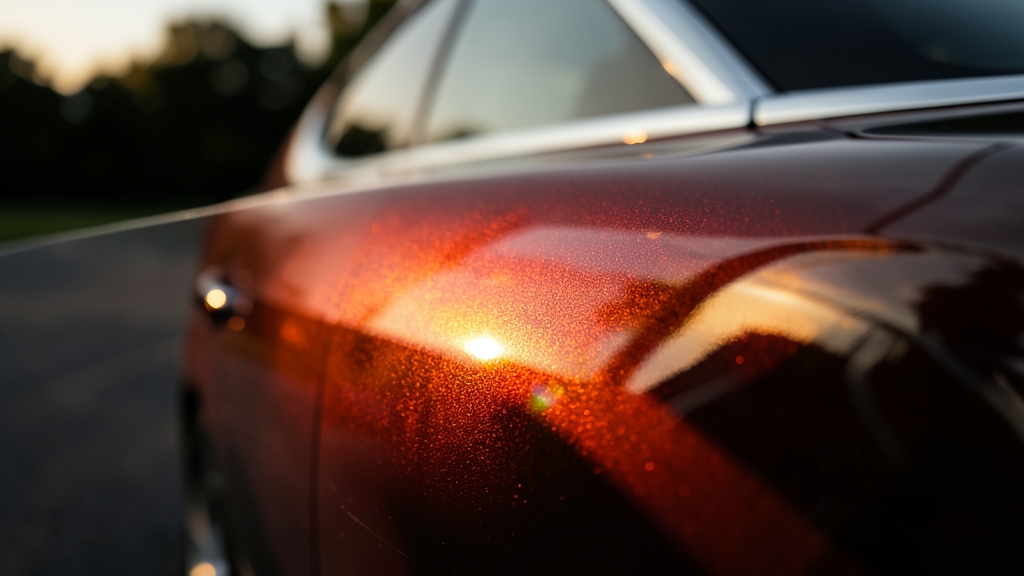
Brighton’s high-altitude sun bombards vehicles with intense UV rays year-round, accelerating paint oxidation and testing even the toughest ceramic coatings. We break down how UV exposure impacts durability, what signs to watch for, and how to extend your coating’s life in our harsh Colorado climate.
Why UV Radiation Is a Silent Threat to Your Ceramic Coating
UV rays break down organic bonds in paint and clear coats, causing fading, chalking, and loss of gloss. Even ceramic coatings, though resistant, aren’t immune to prolonged exposure without proper upkeep.
In Brighton, thinner atmosphere at 5,000+ feet means 25% more UV intensity than sea level. This speeds up degradation, making regular maintenance non-negotiable for longevity.
Brighton’s elevation amplifies UV damage. Without a quality ceramic coating or PPF, your paint can oxidize in as little as 12–18 months.
How Ceramic Coatings Resist UV Damage
Premium ceramic coatings use silica (SiO2) or titanium dioxide (TiO2) to form a covalent bond with paint, creating a sacrificial layer that absorbs and scatters UV rays.
This barrier slows oxidation, preserves hydrophobic properties, and maintains that mirror-like finish. But no coating lasts forever—UV gradually weakens the polymer matrix over 2–5 years, depending on product quality and care.
Signs Your Ceramic Coating Is Losing the UV Battle
Water no longer beads tightly or sheets off—hydrophobicity is fading. This often appears first on horizontal surfaces like hoods and roofs, which take the most direct UV hit.
Swirl marks and micro-scratches become more visible as the coating thins. In Brighton’s dry air, dust and pollen stick more aggressively to compromised surfaces, worsening the effect.
Gloss reduction is another red flag. If your paint looks duller under bright sunlight, UV may have degraded the coating’s top layer, reducing light refraction.
UV Damage Red Flags
- Reduced water beading or sheeting
- Increased visibility of swirls/scratces
- Duller gloss under direct sunlight
- More frequent dirt accumulation
Ceramic Coating vs. PPF: UV Protection Compared
Both protect against UV, but their mechanisms differ. Ceramic coatings create a hard, hydrophobic shield that repels contaminants and resists fading. PPF, a clear urethane film, physically blocks UV rays and self-heals minor scratches.
For Brighton drivers, combining both—PPF on high-impact areas (hood, bumper) and ceramic coating everywhere else—provides strong UV and abrasion resistance.
| Feature | Ceramic Coating | PPF |
|---|---|---|
| UV Resistance | High (absorbs/scatters rays) | Very High (physical barrier) |
| Durability | 2–5 years (depends on maintenance) | 5–10 years (depends on film quality) |
| Self-Healing | No | Yes (minor scratches) |
| Hydrophobicity | Excellent | Good (with top ceramic coat) |
| Cost Factor | Lower (material/labor) | Higher (material/labor) |
Brighton’s Climate: A Perfect Storm for UV Damage
Our 300+ days of sunshine are a double-edged sword. While great for outdoor activities, the dry air and temperature swings (from freezing nights to 90°F afternoons) stress coatings and paint.
Winter salt and summer dust exacerbate UV damage. Salt etches clear coat, while dust acts like sandpaper on a weakened ceramic layer. Regular washes with pH-neutral soap are critical.
In winter, apply a ceramic-boosting spray sealant after washes to replenish hydrophobic properties. In summer, park in shade or use a car cover to reduce direct UV exposure.
Maintenance That Extends Your Coating’s UV Resistance
Wash your vehicle every 1–2 weeks using the two-bucket method to avoid swirls. Always use a microfiber wash mitt and dry with a clean towel to prevent marring.
Apply a SiO2 or graphene-infused spray sealant every 3–6 months. These top-ups refresh hydrophobicity and add a sacrificial UV-absorbing layer without requiring full reapplication.
Avoid automatic car washes with harsh brushes or high-pH detergents. These strip ceramic coatings faster than UV alone, especially in Brighton’s hard water conditions.
When to Reapply or Upgrade Your Ceramic Coating
If water no longer beads after a fresh wash and sealant, it’s time for a professional inspection. Our team can test coating thickness and hydrophobicity to determine if a touch-up or full reapplication is needed.
For vehicles in Commerce City or Thornton, where industrial fallout is common, we often recommend a ceramic coating with added anti-contaminant properties. Fleet vehicles in Henderson or Fort Lupton may need annual top-ups due to high mileage.
How to Inspect Your Ceramic Coating for UV Damage
A quick at-home check can reveal if your coating is still protecting your paint from Brighton’s harsh sun.
- 1Test Water Behavior
Spray water on a clean, dry panel. If it beads tightly and sheets off, your hydrophobic layer is intact. If it flattens or leaves spots, UV may have degraded the coating.
- 2Check for Swirl Visibility
Under bright sunlight, inspect the hood and roof at an angle. Increased swirl visibility suggests the coating has thinned and is no longer filling micro-scratches.
- 3Assess Gloss Levels
Compare the reflectivity of coated and uncoated areas (like door jambs). A noticeable dullness on coated surfaces indicates UV damage.
- 4Run the Finger Test
Gently drag a clean finger across the surface. If it feels rough or drags, contaminants may be bonding to a weakened coating—common in high-UV areas like Brighton.
- 5Look for Oxidation
Check for chalky residue or color fading, especially on horizontal surfaces. This is a late-stage sign of UV penetration through a failing coating.
Frequently Asked Questions
Does ceramic coating completely block UV rays?
No coating blocks 100% of UV rays, but high-quality ceramic coatings absorb and scatter a significant portion, drastically reducing paint oxidation. For maximum protection in Brighton, pair it with PPF on high-exposure areas.
How often should I reapply ceramic coating in Brighton’s climate?
With proper maintenance, a professional-grade ceramic coating lasts 3–5 years. However, Brighton’s high UV and temperature swings may shorten this to 2–3 years. Request a quote for an inspection to assess your coating’s condition.
Can I apply ceramic coating over sun-damaged paint?
No. UV-damaged paint must be corrected first through paint correction and polishing to remove oxidation and swirls. Applying ceramic coating over compromised paint locks in the damage. We offer full paint correction services in Brighton, Commerce City, and Thornton.
Is PPF better than ceramic coating for UV protection in Ceramic Coating Brighton?
PPF offers superior physical UV blocking and self-healing properties, but it lacks the hydrophobic and gloss-enhancing benefits of ceramic coatings. For most Brighton drivers, a combination of both delivers excellent results—PPF on high-impact areas and ceramic coating for the rest of the vehicle.
What’s a good way to protect my wheels from UV damage?
Wheels endure extreme heat and brake dust, accelerating UV damage. We recommend a dedicated wheel and brake caliper ceramic coating, which resists high temperatures and contaminants better than standard coatings. This service is popular among performance car owners in Fort Lupton and Lochbuie.
Will ceramic window tint help reduce UV damage inside my car?
Absolutely. Ceramic window tint blocks up to 99% of UV rays, protecting your dashboard, seats, and interior from fading and cracking. It also reduces heat buildup, which can stress your ceramic coating and paint. We offer ceramic window tinting as a complementary service to our coatings.