Why Paint Correction Matters Before Ceramic Coating in Brighton, CO
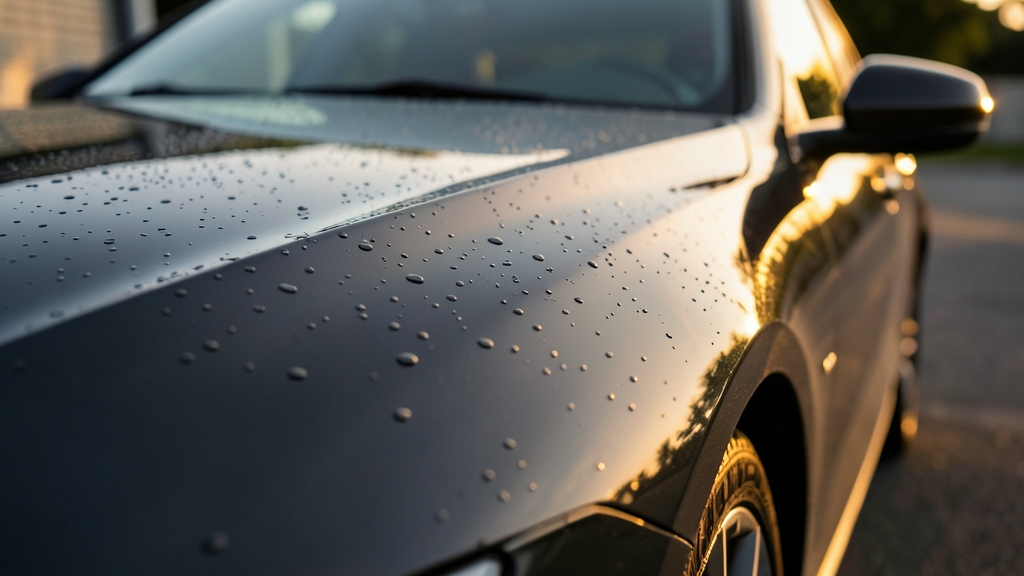
Ceramic coatings bond permanently to your vehicle’s paint—flaws and all. Without proper paint correction first, imperfections get locked in forever. We’ll explain why this prep step is non-negotiable for Brighton drivers who demand showroom-level results.
Ceramic Coatings Amplify Every Flaw
A ceramic coating doesn’t hide defects—it magnifies them. The high-gloss finish reflects light so intensely that swirl marks, scratches, and oxidation become glaringly obvious. In Brighton’s bright sunlight, these flaws stand out even more.
The coating’s hydrophobic properties also make water spot every imperfection. What looked minor before becomes a permanent eyesore once the coating cures.
What Paint Correction Actually Fixes
Paint correction removes surface-level imperfections through precise polishing. We target swirl marks from improper washing, fine scratches, water spots, and oxidation caused by Brighton’s high-altitude UV exposure.
Deeper defects like rock chips or deep scratches may require touch-up paint or Paint Protection Film (PPF) before correction. Our team assesses each vehicle’s needs individually.
| Defect | Cause | Correction Method |
|---|---|---|
| Swirl Marks | Improper washing/drying | Fine polishing compounds + dual-action polisher |
| Oxidation | UV exposure (common in Brighton’s climate) | Medium-cut polish + oxidation remover |
| Water Spots | Mineral deposits from hard water | Clay bar decontamination + light polishing |
| Light Scratches | Road debris, keys, or brushes | Progressive compound/polish steps |
| Holograms | Aggressive machine polishing | Finishing polish with soft pad |
The Science Behind the Bond
Ceramic coatings chemically bond to the clear coat at a molecular level. If the surface isn’t perfectly smooth, the coating adheres unevenly, reducing durability and hydrophobic performance.
Brighton’s temperature swings (from freezing winters to hot summers) stress the bond further. A corrected surface ensures maximum adhesion and longevity, often 3-5 years or more.
Always decontaminate (clay bar), correct (polish), and clean (IPA wipe) before applying ceramic coating. Skipping any step risks poor bonding.
Brighton-Specific Challenges
Our high-altitude sun accelerates paint oxidation and fading. Without correction, ceramic coatings seal in this damage, making it harder to fix later.
Road salt in winter and dusty conditions in summer also embed contaminants into the paint. These must be removed before coating to prevent premature failure.
DIY vs. Professional Correction: Know the Risks
Amateur polishing can burn through clear coat or create holograms. Professionals use paint thickness gauges to ensure safe material removal—critical for thin factory paint on modern vehicles.
We’ve seen DIY attempts in Commerce City and Thornton that required repainting entire panels. The cost of fixing mistakes often exceeds professional correction upfront.
Never use a rotary polisher on edges or curved panels without experience. Clear coat is thinner here and burns through fast.
How Correction Extends Coating Life
A smooth surface allows the ceramic coating to cure uniformly, enhancing its self-cleaning and UV-resistant properties. This means less maintenance and longer protection against Brighton’s harsh elements.
Vehicles in Henderson and Fort Lupton with corrected paint before coating show 30-40% better water beading retention after 2 years compared to uncorrected surfaces.
Pairing Correction with Other Protections
For ultimate defense, combine paint correction with Paint Protection Film (PPF) on high-impact areas, then ceramic coat the entire vehicle. This hybrid approach is popular among Lochbuie and Brighton drivers who face frequent highway debris.
Don’t forget the details: wheel and brake caliper ceramic coatings prevent brake dust etching, while interior ceramic protection shields against UV fading and spills.
The Bottom Line for Brighton Drivers
Paint correction isn’t an upsell—it’s a requirement for ceramic coating to perform as advertised. Cutting corners here means compromising on gloss, durability, and protection.
Whether you’re in Brighton, Commerce City, or Thornton, the same rule applies: prep the surface properly, or regret it later. Request a quote to see how correction can transform your vehicle’s finish.
Pre-Coating Must-Dos
- Full decontamination wash with clay bar
- Paint thickness measurement to avoid over-polishing
- Multi-stage polishing to remove defects
- Final IPA wipe-down to remove oils/residue
- Inspection under multiple light sources
How to Assess If Your Car Needs Paint Correction Before Coating
Not sure if your paint needs correction? Here’s how to check like a pro.
- 1Wash and Dry Thoroughly
Use a high-quality car shampoo and microfiber towels. Water spots or streaks after drying indicate contamination or defects.
- 2Inspect in Direct Sunlight
Walk around your vehicle at different angles. Swirl marks and scratches will appear as fine, spiderweb-like lines or hazy areas.
- 3Run Your Fingertip Over the Paint
If you feel rough patches or tiny bumps, it’s likely embedded contaminants or oxidation. Smooth paint should feel like glass.
- 4Use a Paint Thickness Gauge
Measure the clear coat thickness. Readings below 2-3 mils (50-75 microns) may limit how aggressively you can correct.
- 5Test with a Quick Detailer
Spray a quick detailer on a section and wipe with a microfiber cloth. If defects disappear temporarily, correction can remove them permanently.
- 6Check for Oxidation
Dull, chalky areas (common on hoods/roofs in Brighton’s UV) signal oxidation. These won’t shine without correction.
Frequently Asked Questions
Can I apply ceramic coating over minor scratches without correction?
No. Ceramic coatings won’t fill or hide scratches—they’ll make them more visible. Correction is required to restore a flawless surface before coating. Even light scratches need addressing for optimal results.
How long does paint correction take before ceramic coating in Brighton, CO?
A full correction typically takes 1-3 days, depending on the vehicle’s condition and size. Severe defects or large vehicles (like those we service in Fort Lupton or Lochbuie) may require additional time. We always allow for proper curing between steps.
Will paint correction remove all defects?
It removes 90-95% of surface-level defects. Deep scratches that penetrate the clear coat or base paint may need touch-up work or PPF. Our team will assess and recommend an appropriate approach for your vehicle.
Does paint correction weaken the clear coat?
When done professionally, no. We use precise tools and measure paint thickness to ensure we remove only the necessary material. DIY attempts with harsh compounds or improper techniques can damage the clear coat.
Can I do paint correction myself before a ceramic coating?
We don’t recommend it unless you have experience and the right tools. Paint correction requires skill, patience, and proper equipment to avoid causing more damage. Many Thornton and Henderson clients come to us after DIY mishaps.
What’s the difference between paint correction and polishing?
Polishing is a step *within* paint correction. Correction is the entire process of removing defects, which may include clay bar decontamination, compounding, polishing, and final finishing. Polishing alone won’t address deeper scratches or oxidation.