Winter Prep: How Ceramic Coating in Brighton Shields Against Ice and Salt in Ceramic Coating Brighton, CO
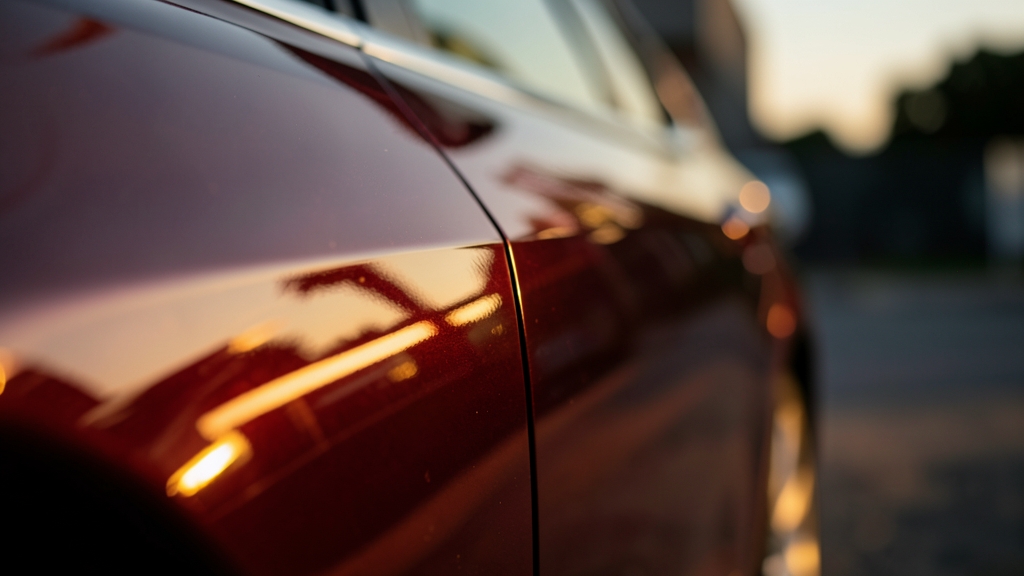
Brighton’s winters bring ice, snow, and salt—all enemies of your vehicle’s finish. Ceramic coating creates a hydrophobic, ultra-durable barrier that repels water, resists corrosion, and keeps your paint looking newer, longer. We’ll break down how it works and why it’s a game-changer for local drivers.
Why Brighton’s Winters Demand Extra Paint Protection
Colorado’s freeze-thaw cycles and magnesium chloride on I-25 and I-76 accelerate paint damage. Salt etches clear coat, while ice and slush cling to surfaces, leading to chips and oxidation over time.
Neighboring areas like Commerce City and Thornton see the same issues. Without protection, your vehicle’s resale value drops as the finish degrades under harsh winter conditions.
How Ceramic Coating Creates a Winter-Ready Shield
Ceramic coatings bond at a molecular level with your paint, forming a 9H hardness layer. This isn’t wax or sealant—it’s a semi-permanent shield that laughs off road salt, de-icing chemicals, and even minor scratches.
The hydrophobic effect means water, slush, and ice bead up and roll off. This reduces ice adhesion, making scraping easier and preventing salt from sitting on the surface.
Apply ceramic coating *before* the first freeze. Cured coatings perform best when not exposed to sub-zero temps during the initial 48-hour bonding phase.
Ceramic Coating vs. Traditional Wax: Winter Performance Compared
Wax offers temporary shine but degrades in weeks under salt and UV exposure. Ceramic coating lasts 2-5 years, repels contaminants, and maintains gloss through multiple winters.
| Feature | Ceramic Coating | Traditional Wax |
|---|---|---|
| Longevity | 2-5 years | 4-8 weeks |
| Salt Resistance | High (9H hardness) | Low (softens quickly) |
| Hydrophobic Effect | Extreme water beading | Moderate beading |
| UV Protection | Yes (prevents fading) | Minimal |
| Self-Cleaning | Yes (dirt slides off) | No |
Beyond Paint: Full-Vehicle Protection for Brighton’s Roads
Paint isn’t the only surface at risk. Wheel wells and brake calipers collect slush and salt, leading to corrosion. We apply ceramic coatings to wheels, calipers, and even windows for complete protection.
For maximum defense, pair ceramic coating with paint protection film (PPF) on high-impact areas like the hood and bumper. PPF absorbs rock chips, while ceramic coating keeps the rest of the vehicle pristine.
Drivers in Henderson and Fort Lupton often opt for full-vehicle packages, including interior ceramic protection to guard against salt stains and spills from winter gear.
Does Ceramic Coating Prevent Ice Buildup Completely?
No coating eliminates ice entirely, but ceramic’s hydrophobic surface reduces adhesion. Ice forms in thinner layers and is easier to remove, minimizing scratches from scrapers.
The real win? Salt and slush slide off during drives, reducing the time corrosive materials sit on your paint. This is critical in areas like Lochbuie, where rural roads are heavily salted.
Improper application leaves streaks, high spots, or uneven curing. Professional prep—including paint correction—ensures the coating bonds correctly and lasts.
Maintaining Your Ceramic Coating Through Winter
Even with a coating, regular washing is key. Use a pH-neutral shampoo to avoid stripping the hydrophobic layer. Avoid automated car washes with harsh brushes—they can introduce swirl marks.
After heavy snow, rinse off salt residue as soon as possible. A quick detail spray can restore beading if water stops sheeting off.
Winter Ceramic Coating Care
- Wash every 2 weeks with pH-neutral soap
- Rinse salt off immediately after storms
- Use a microfiber towel to dry (prevents water spots)
- Avoid wax or sealants (they interfere with the coating)
- Reapply a ceramic boost spray every 6 months
What to Expect During and After Application
The process starts with a thorough wash and decontamination to remove embedded iron particles and tar. Next, paint correction removes swirls and scratches so the coating adheres to a flawless surface.
Curing takes 24-48 hours. During this time, avoid exposure to rain, snow, or temperature extremes. Full hardness is achieved after 7-14 days.
How to Prep Your Vehicle for Ceramic Coating Before Winter
Follow these steps to ensure your ceramic coating performs at its best all season long.
- 1Deep Clean and Decontaminate
Remove all dirt, clay bar the surface, and use an iron remover to eliminate embedded contaminants. This ensures the coating bonds to clean paint.
- 2Paint Correction
Polish out swirls, scratches, and oxidation. A smooth surface is critical for even coating application and optimal gloss.
- 3Choose the Right Coating
Select a high-quality, professional-grade ceramic coating with 9H hardness and strong hydrophobic properties. Avoid consumer-grade products.
- 4Professional Application
Apply in a controlled environment (50-70°F) with proper lighting. Even coverage and thin layers prevent streaks or high spots.
- 5Cure Properly
Keep the vehicle dry and away from extreme temperatures for 48 hours. Avoid washing or exposing it to snow during this period.
Frequently Asked Questions
Can ceramic coating be applied in cold weather in Brighton?
Ideally, no. Most professional coatings require temperatures above 50°F for proper application and curing. We recommend scheduling your coating in late fall before the first freeze.
Will ceramic coating protect my car from rock chips on I-25?
Ceramic coating adds scratch resistance but isn’t a substitute for paint protection film (PPF). For rock chip prone areas like hoods and bumpers, we recommend combining both for maximum protection.
How often should I reapply ceramic coating in Brighton’s climate?
High-quality professional coatings last 2-5 years, but Colorado’s intense UV and winter conditions may shorten this. Inspect annually and consider a maintenance boost spray to refresh hydrophobic properties.
Does ceramic coating work on older vehicles with faded paint?
Yes, but paint correction is a must first. We restore the paint’s clarity and gloss before applying the coating, so even older vehicles in Commerce City or Thornton can benefit.
Is ceramic coating worth it for fleet vehicles in Brighton?
Absolutely. Fleet vehicles face constant exposure to salt, grime, and UV. Ceramic coating reduces wash time, protects resale value, and keeps vehicles looking professional longer.
Can I apply ceramic coating to my windows and windshield?
Yes! Ceramic window tint or hydrophobic coatings improve visibility in rain and snow by causing water to bead and roll off. This is especially useful for driving in Brighton’s winter storms.